The best design is human-centered.
Design shapes the experiences we live in and the ways we feel. When used as healing, it can restore energy, calm the mind, and support our overall health and well-being.
-
Mind + Awareness
Intentionally shaped experiences promote mindfulness and help the brain reset and recharge.

-
Body + Vitality
Design supports movement, rest, and rhythms that keep the body strong and energized.
-
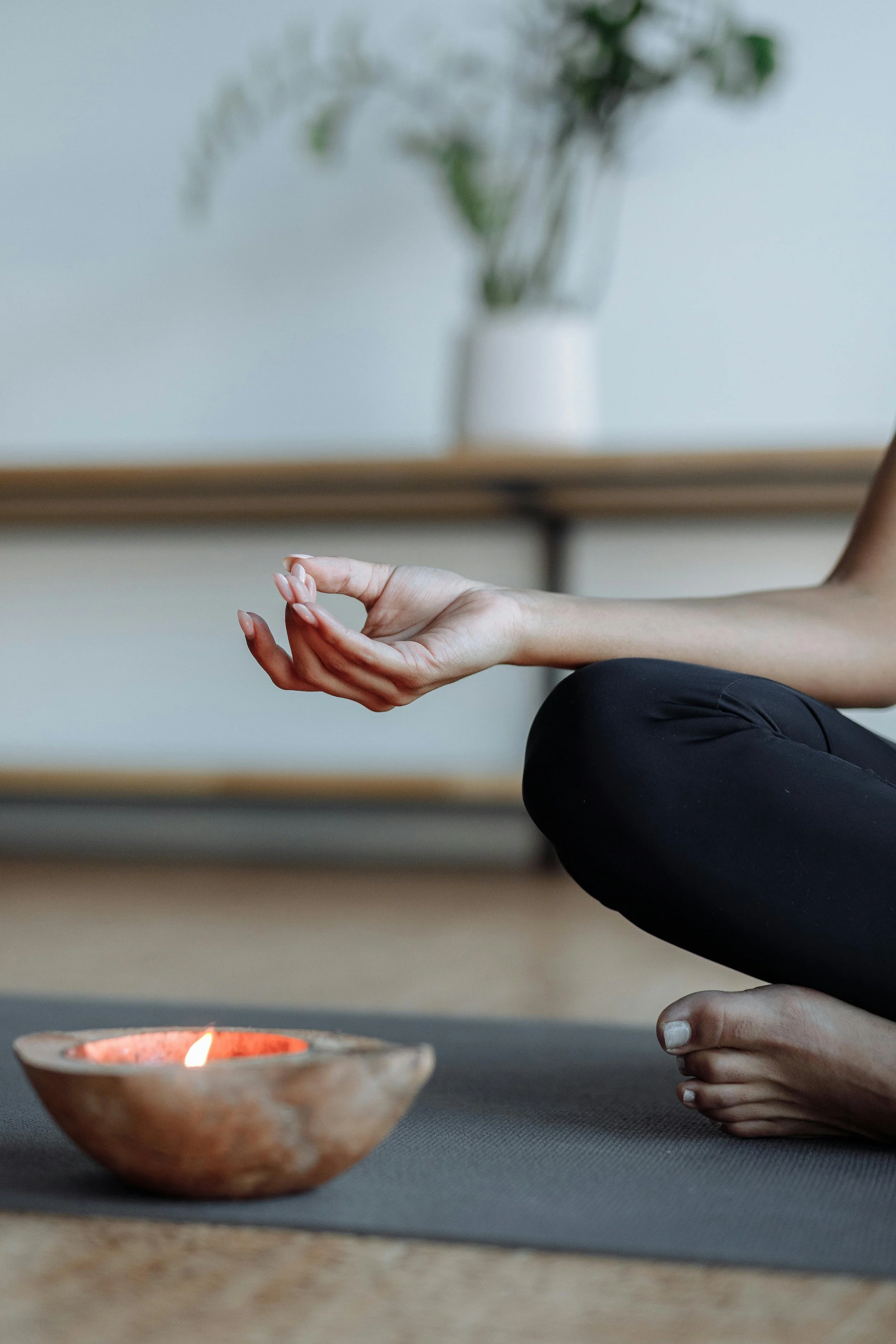
Soul + Spirit
Thoughtful practices cultivate inspiration, reflection, connection, and a sense of purpose.
-
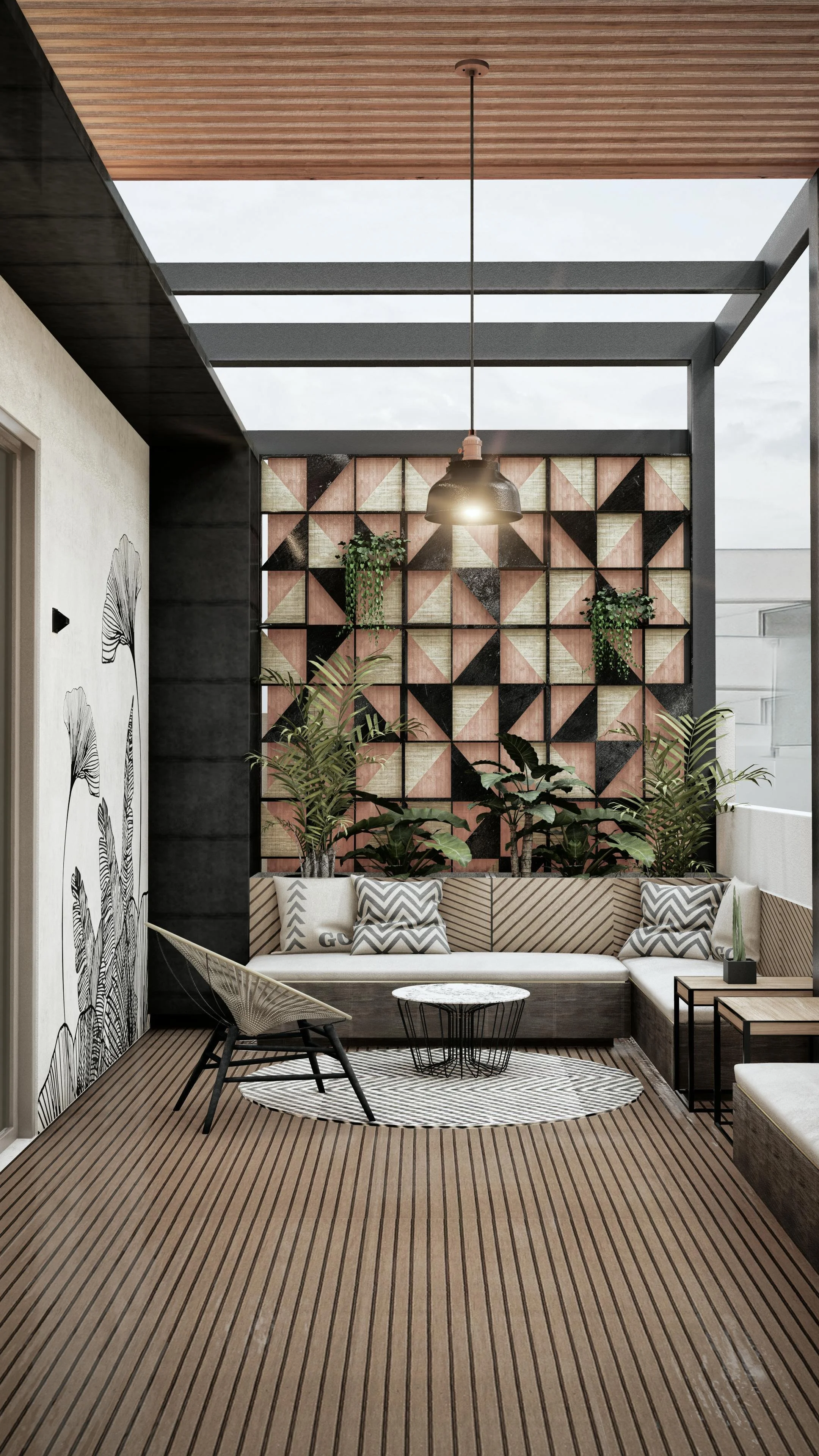
Space + Environment
The structures and systems around us influence energy, behavior, and overall well-being.
A deeper dive into design practices that promote health and well-being…
Mind + Awareness Practices
Designed Pause
Create a moment of calm through intentional design.
Overview: This practice intentionally creates small moments of calm in daily life through thoughtfully shaped spaces. Rather than pushing yourself to be mindful, the environment does the work for you. Quiet corners, comfortable seating, natural light, and a few uninterrupted minutes reduce mental stimulation, allowing the brain to step out of constant activity and reset. Over time, these intentional pauses support focus, emotional balance, and overall wellbeing.
Technique:
Choose a space that feels calm and comfortable near a window, in a quiet room, or outdoors.
Sit or stand without distractions for 3–5 minutes.
Let your posture be supported by the space around you rather than held with effort.
Gently notice your breathing, the light, and the feeling of being held by the environment.
When the time ends, return to your day slowly.
Sensory Grounding
Return to the present through intentional sensory awareness.
Overview: Sensory Grounding is a practice of intentionally engaging the senses to anchor awareness in the present moment. By focusing on thoughtfully chosen sensory experiences, such as light, sound, texture, temperature, or breath, the nervous system begins to settle. This gentle attention reduces mental noise, supports emotional regulation, and allows the brain to reset and recharge through presence.
Technique:
Pause wherever you are and choose one sensory element to focus on, such as the warmth of sunlight, the sound of a steady noise, or the feeling of your feet on the ground.
Focus on this sensation for 30–60 seconds without judging or changing it. If your mind wanders, gently return your attention to the sensation.
Take one slow breath before continuing with your day.
Intentional Transition
Use designed moments to move between activities with awareness.
Overview: This practice helps us to consciously mark the shift from one activity to another through small, designed rituals. Rather than moving abruptly from task to task, this practice introduces a moment of awareness that helps the brain release what came before and prepare for what comes next. These intentional transitions reduce cognitive overload, support emotional balance, and create a sense of continuity and ease throughout the day.
Technique:
Before beginning a new activity, pause for 30–90 seconds.
Change one element of your environment. For instance, stand up, wash your hands, step outside, or adjust the lighting.
Take one slow breath and mentally note that one activity is ending and another is beginning.
Then, enter the next task with a clearer, more focused mind.

Body + Vitality Practice

Energized Circuits
Keep the body strong through movement-friendly design.
Overview: Energized Circuits are short bursts of intentional movement built into your environment. Thoughtfully designed spaces such as open areas, staircases, or adaptable furniture encourage activity that strengthens muscles, improves circulation, and boosts energy throughout the day. By embedding movement into daily routines, the body stays resilient and vital.
Technique: Identify a space where you can move freely. Perform 2 to 3 minutes of simple exercises such as squats, stretches, or stepping in place every hour. Focus on smooth, controlled motion rather than speed. Regularly practicing these circuits strengthens the body and increases overall energy.
Soul + Spirit Practices
Inspired Corners
Create spaces that spark reflection and creativity.
Overview: Inspired Corners are small areas designed to encourage imagination, insight, and a sense of purpose. Elements such as artwork, natural light, meaningful objects, or a comfortable seat invite moments of reflection and personal inspiration. Regular use of these spaces helps you clarify values, explore ideas, and reconnect with what matters most.
Technique: Select a corner or nook in your home or workspace. Add one or two items that inspire you, such as a notebook, plant, or artwork. Spend 5 to 10 minutes each day journaling, sketching, or simply noticing what sparks curiosity and motivation. Revisit the space daily to reinforce inspiration and purpose.
Connection Rituals
Design spaces that foster meaningful interactions.
Overview: Connection Rituals are simple practices that encourage authentic engagement with others. Arranging seating, shared tables, or small gathering areas to support conversation, listening, or collaboration helps relationships feel intentional and energizing. These moments build trust, empathy, and a deeper sense of shared purpose.
Technique: Identify a space for connection, such as a table, seating circle, or outdoor bench. Invite others to spend a few minutes together without distractions. Focus on listening, sharing stories, or engaging in a brief joint activity. Practicing these rituals regularly strengthens relationships and creates a sense of shared energy and understanding.
Space + Environment Practices
Environmental Flow
Make it easier to move through your space.
Overview: The practice of Environmental Flow draws our attention to arranging spaces so movement feels natural and effortless. When pathways are clear and frequently used areas are easy to access, the body uses less energy navigating the space. This reduces daily friction, supports focus, and lowers physical and mental strain.
Technique: Walk through your space and notice where you slow down, bump into things, or feel crowded. Move furniture to create clear walking paths. Keep doorways, hallways, and work areas open. Place commonly used items where they can be reached without bending, stretching, or searching.
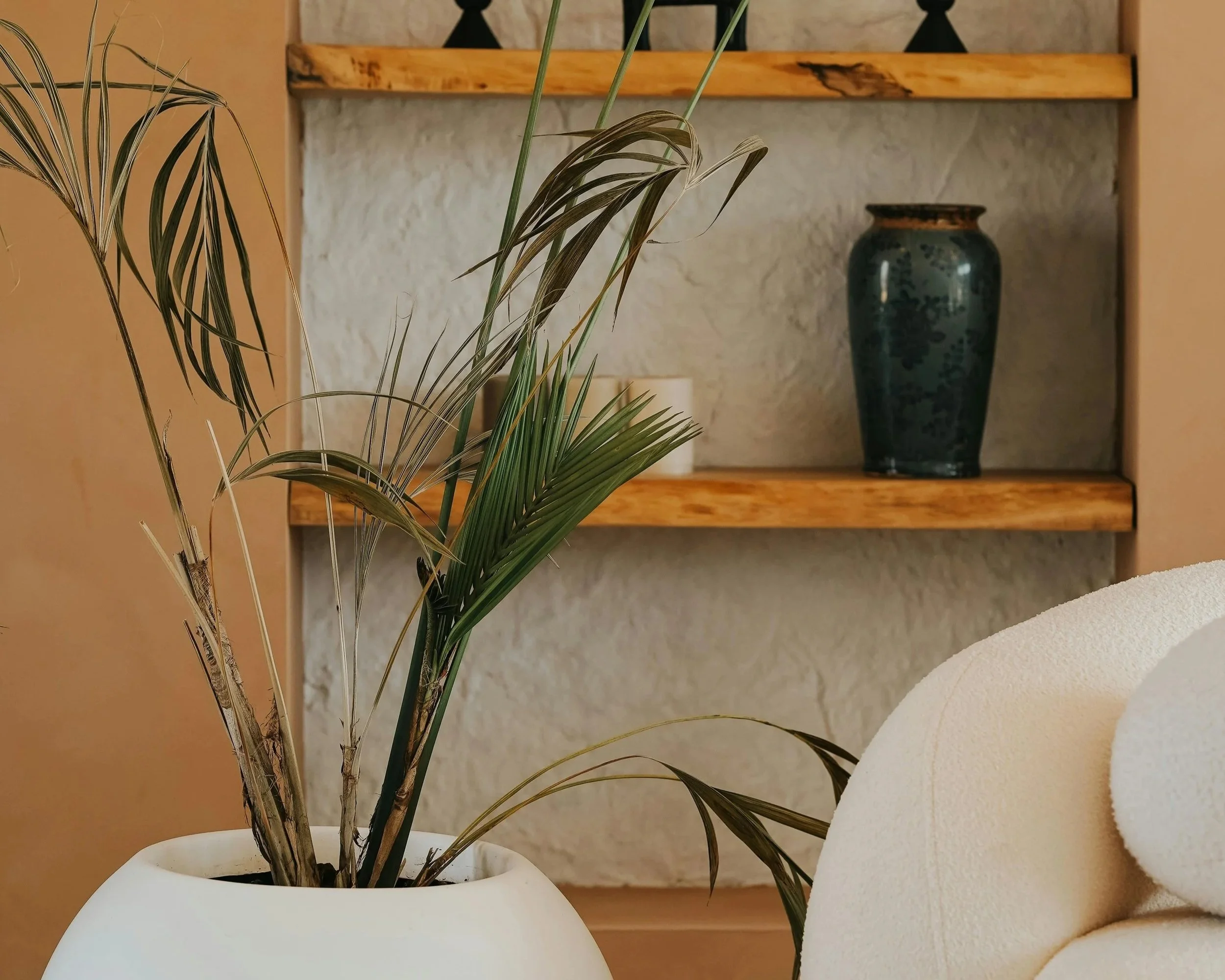
Everyday Nature
Increase daily interaction with different aspects of nature.
Overview: This practice focuses on regular exposure to outdoor elements that influence energy levels and daily rhythms. Access to daylight, fresh air, and natural views supports alertness during the day and rest later on. Spaces that allow frequent interaction with these elements prevent stagnation and support overall wellbeing.
Technique: Notice where you spend most of your time. Open blinds during the day, sit near windows when possible, step outside briefly, or add plants to frequently used areas. Aim for consistent contact with natural elements throughout the day.

Healing architecture around the world
Across cultures and contexts, architecture can support healing by shaping how people feel, move, and recover within a space. By prioritizing natural light, access to nature, calming materials, and human-centered design, these environments reduce stress and promote physical, mental, and emotional well-being. The following examples highlight how thoughtful design becomes an integral part of the healing process.
-
![]()
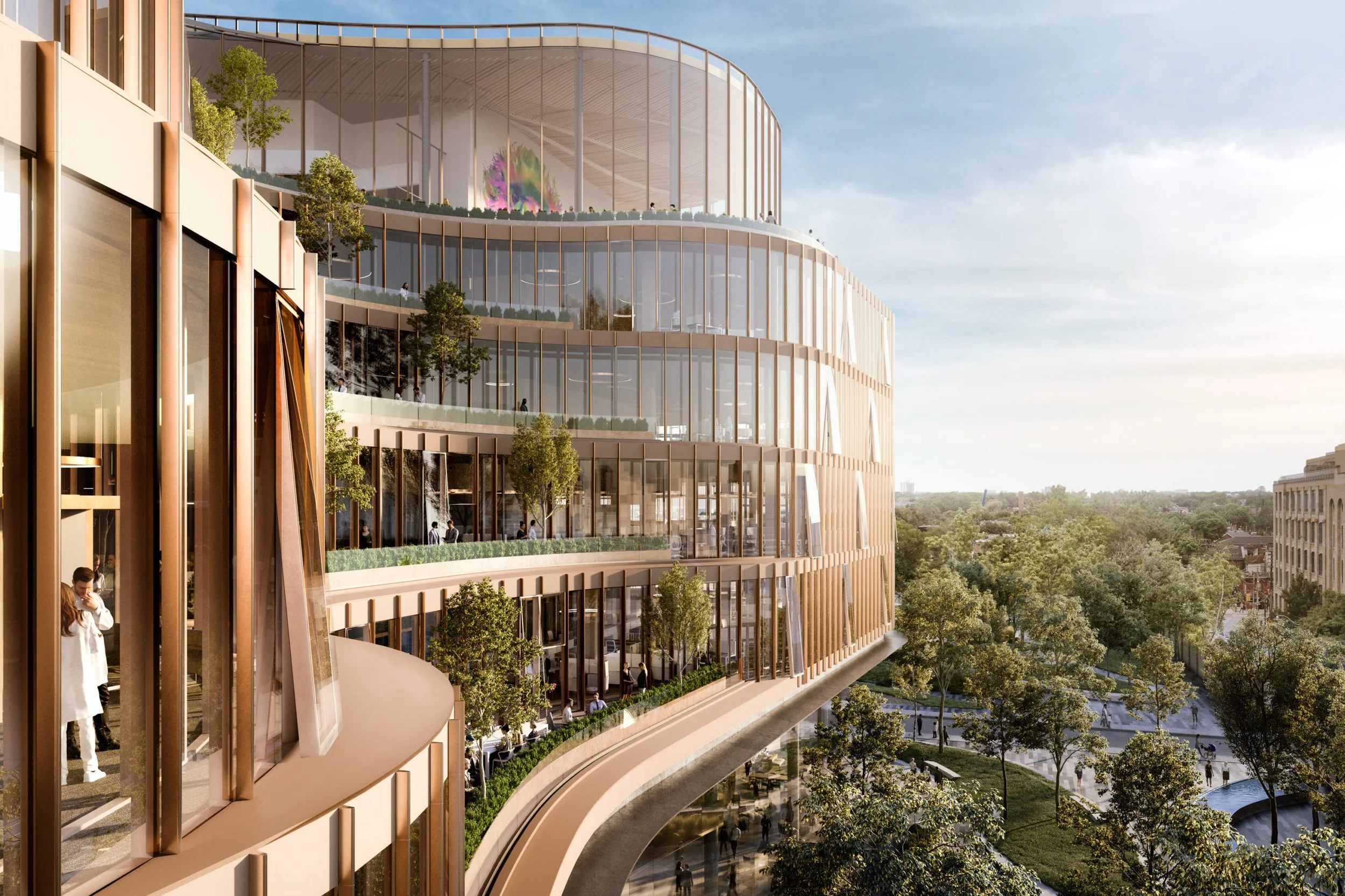
The Centre for Addiction and Mental Health's (CAMH) Temerty Discovery Centre in Toronto
-
![]()
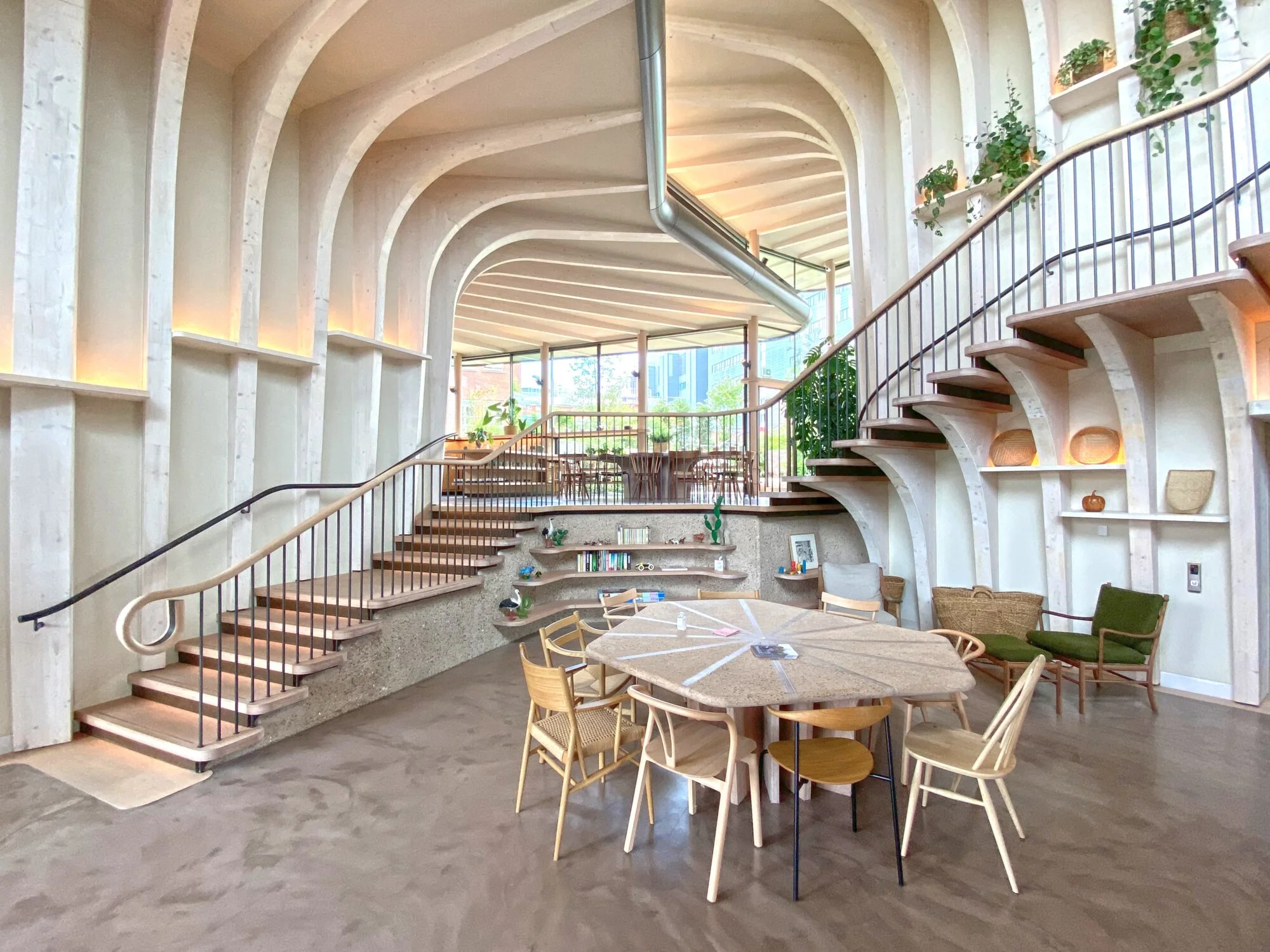
Maggie's Care Centres in UK
-
![]()
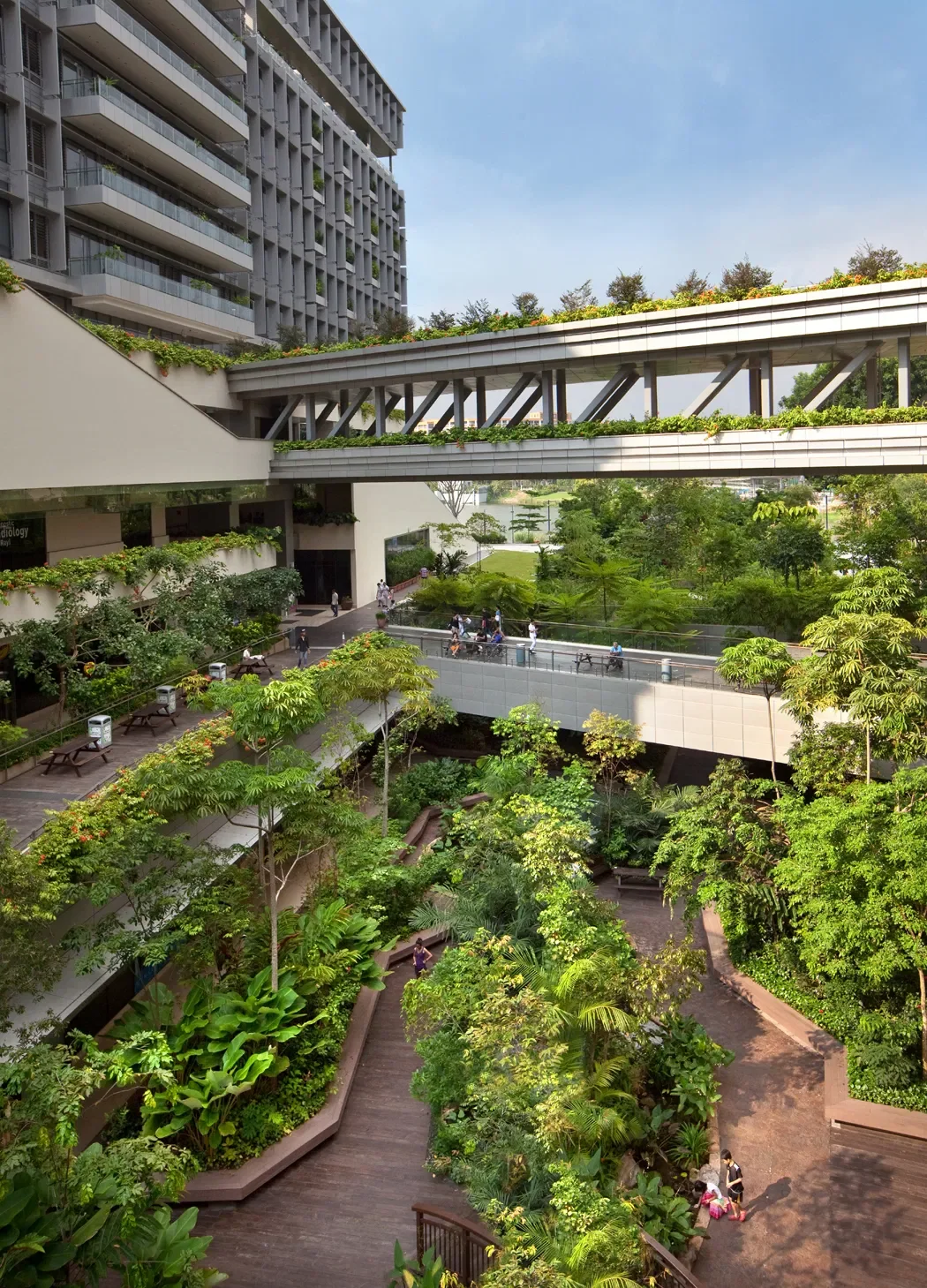
Khoo Teck Puat Hospital in Singapore